
All articles (35)
Why petitions will not save your video games
Petitions express anger, but on their own they do not create leverage. Defending players' rights requires an active community, a legal strategy and organised political pressure.
The eternal physical game: the great illusion
Does owning the disc guarantee you can play forever? No. Physical or digital, you buy the same licence, and since consoles went online (2005), a boxed game can technically be banned remotely. "They won’t come and take it from my home": they don’t need to. The real subject is rights, not the medium.
"Europe can do nothing about the end of the disc": what the law actually says
Petitioned after PlayStation’s announcement, the European Commission replies that it cannot oppose the end of the disc. Legally correct, but incomplete: the Dutch "Fair PlayStation" class action ($457M) and a Mexican antimonopoly complaint are testing an entirely different lever, competition law.
Why PlayRite.eu is becoming GamerRights.eu
New name, same mission. "PlayRite" was confusing; we are now GamerRights.eu, to say clearly what we stand for: your rights as a player.
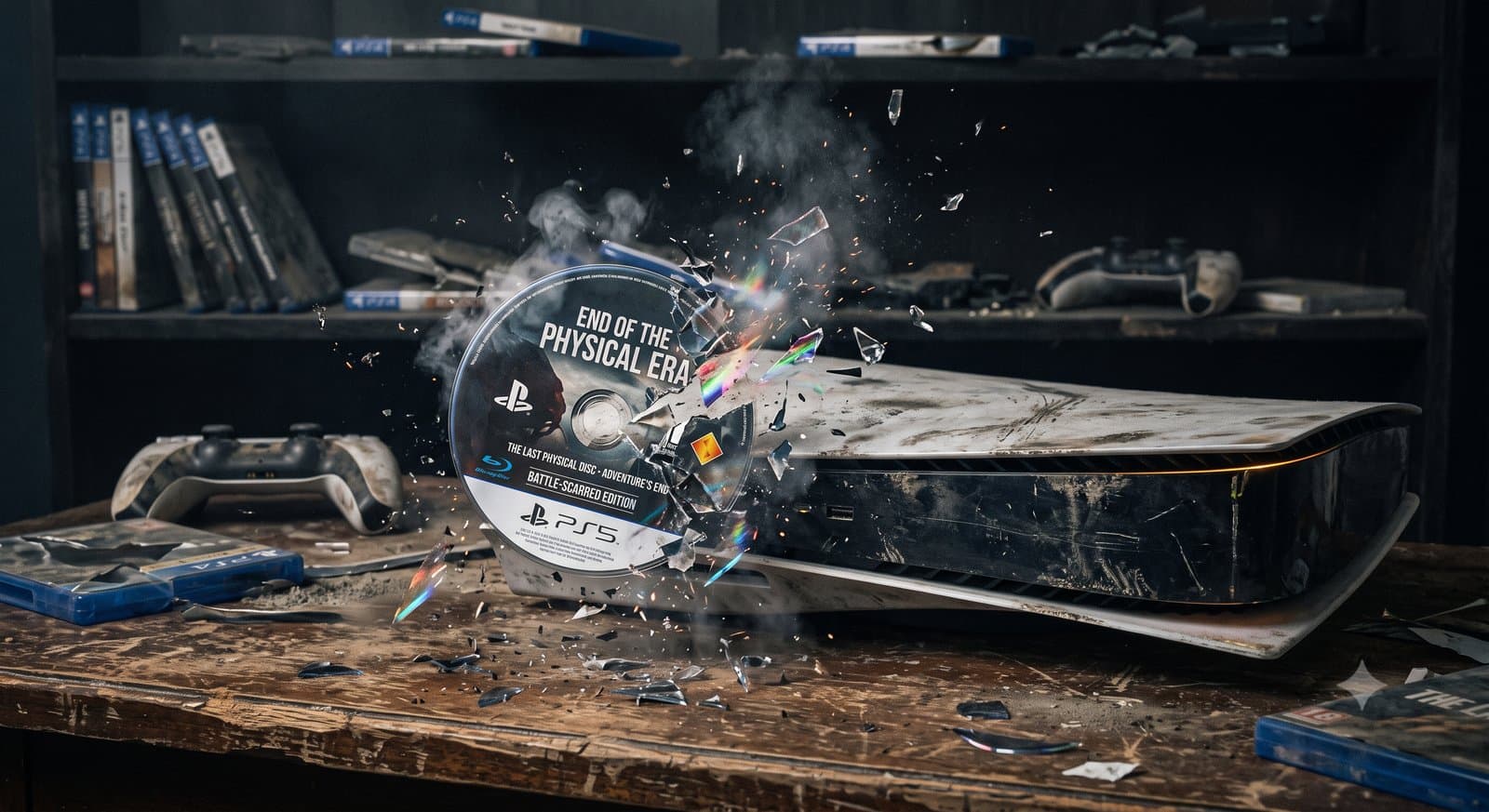
PlayStation ends disc production in 2028: the end of an era?
On 1 July 2026, PlayStation announced the end of disc production for its new games starting in January 2028. What it changes, what it does not, and why the real issue is not the disc, but your rights.
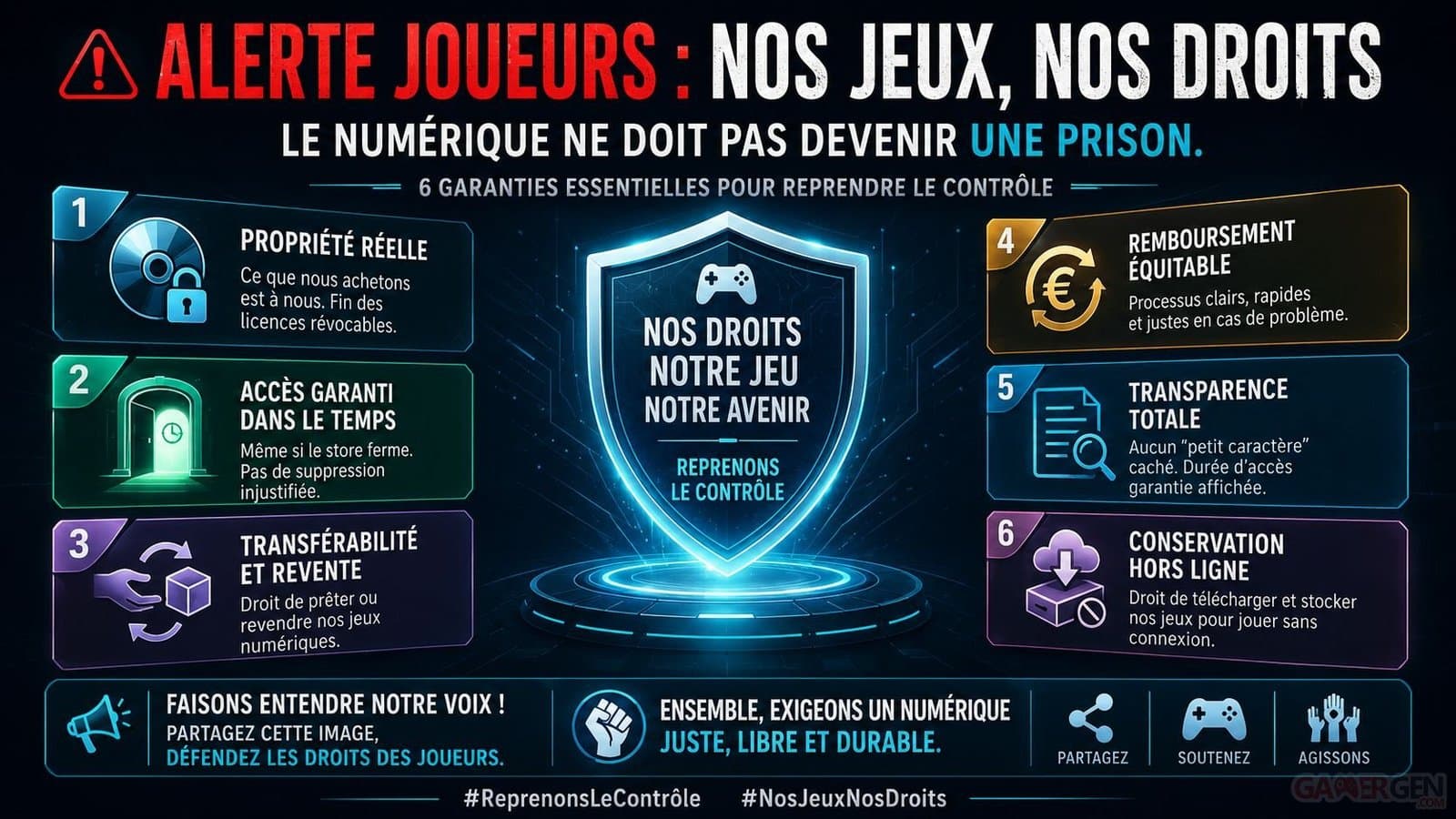
"6 guarantees to dematerialise our rights": the GamerGen op-ed
Following Sony's announcement about the end of the disc, Eric de Brocart, founder of GamerGen, has published an op-ed calling for the all-digital model to be framed by six concrete guarantees. A welcome convergence with the players' fight.

What Is a EULA? The Contract You Sign Without Ever Reading It
"Buying" a game means first accepting a contract. The EULA (End User License Agreement) is the same for every game from a given publisher, it can change after your "signature", and almost nobody reads it. Here's why.
Stop Destroying Videogames: the European Commission's response, and why the fight continues
On 16 June 2026, the European Commission responded to the citizens' initiative "Stop Destroying Videogames" and its 1.29 million signatures: no new law for now. An analysis of this decision and the levers that remain.
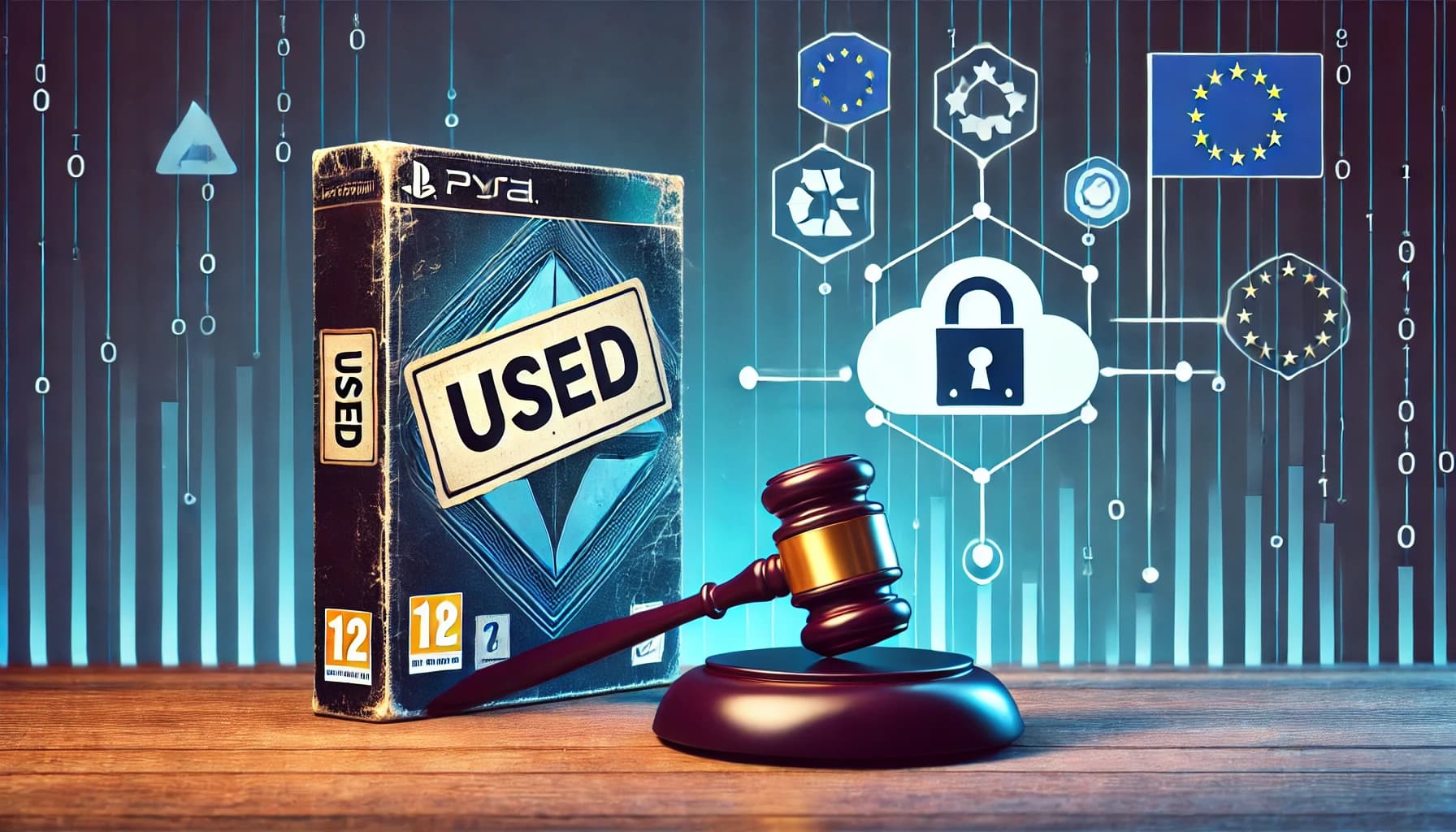
Resale of digital games in France: laws, contradictions and avenues of recourse
The Cour de cassation definitively banned the resale of digital video games on 23 October 2024. Why physical copies remain resellable and digital ones do not, and what avenues exist to change this law.

Video game preservation in France: legal deposit, a model to extend
Since François Ier, France has preserved the works published on its soil. Legal deposit, entrusted to the BnF, includes video games, including those in digital form. A little-known model that would deserve to be generalised at the European scale.

Should we rethink "intellectual property" in video games?
The term "intellectual property" gives publishers a power of life or death over works that are nonetheless collective and cultural. A reflection on what this vocabulary covers, and conceals.
Reselling the digital: what if the physical medium were reborn as proof of licence?
Since the law refuses the resale of digital goods for lack of a medium, why not rematerialise the licence? A physical object carrying a unique code could represent a transferable right, to the benefit of players and publishers alike.
Reselling digital games: why publishers would gain too
Reselling is not the enemy of publishers. A broader market, revenue on every transaction, discovery of series: here is why a regulated digital second-hand market would also serve their interests.
Analysis of Ubisoft's CLUF in Light of The Crew Case
A clause-by-clause breakdown of Ubisoft's End User License Agreement (CLUF). Ubisoft attempts to characterize your purchase as a mere revocable license, but that characterization is not enough to erase your rights. An analysis under French and European law.
Unfair clauses in games' CGU: what you need to know
A clause that creates a significant imbalance to your detriment is "deemed not written," even if you accepted it. How European law on unfair terms applies to the CGU of dematerialized games.
Buying video games: do you really own what you buy?
Buying a game never transfers copyright over the work. In physical format, you own the copy and can resell it; in digital format, you only acquire a license to use it, governed by a contract. What this actually changes for your rights.
UFC-Que Choisir vs Steam: the 2019 victory... and its downfall
In 2019, UFC-Que Choisir obtained a landmark ruling recognising the right to resell its dematerialised Steam games. Five years later, that victory was completely overturned. A look back at a decisive legal battle.

Template letter: contacting your MPs, senators and MEPs
Writing to your elected representatives is a simple and effective action. Here is why, how to find them, and a ready-to-use letter template to copy, personalise and send to defend players' rights.
Usus, abusus, fructus: what "owning" a game should really mean
Civil law defines ownership through three attributes inherited from Roman law: usus, fructus, abusus. Applied to dematerialised video games, they reveal everything the licence strips away from you.
The DSA and dematerialised games: what it really changes (and what it does not)
The Digital Services Act is a powerful European regulation, but one that is often misunderstood. What it actually imposes on game stores, and why it is not enough to settle the question of digital ownership.
When Sony deletes content "bought for life": the illusion of digital ownership
Sony announced the removal of more than 1,300 Discovery programmes that had nonetheless been sold as "lifetime access" on the PlayStation Store. A textbook case on the fragility of what we think we own digitally.

The digital era and its licences: what rights do you get depending on what you buy?
Perpetual licence, subscription, live-service game, free-to-play: they do not all grant you the same rights to play, keep and resell. A short guide to the licences of dematerialised games.
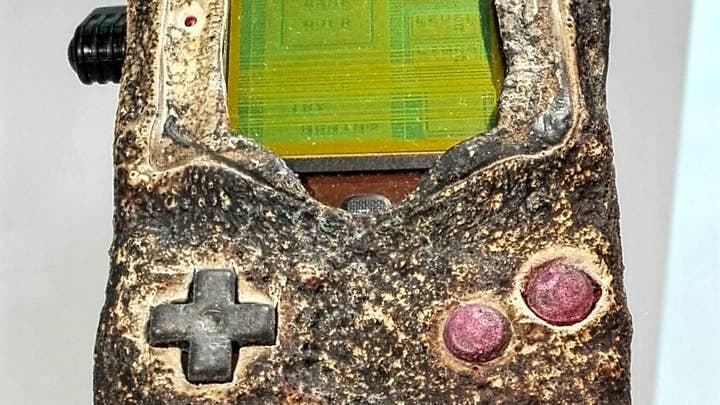
Preservation: is the industry burning its own heritage?
According to the Video Game History Foundation, 87% of games released before 2010 are no longer commercially available. More than 60 years of heritage are going up in smoke, for lack of conservation efforts. The figures and the stakes.
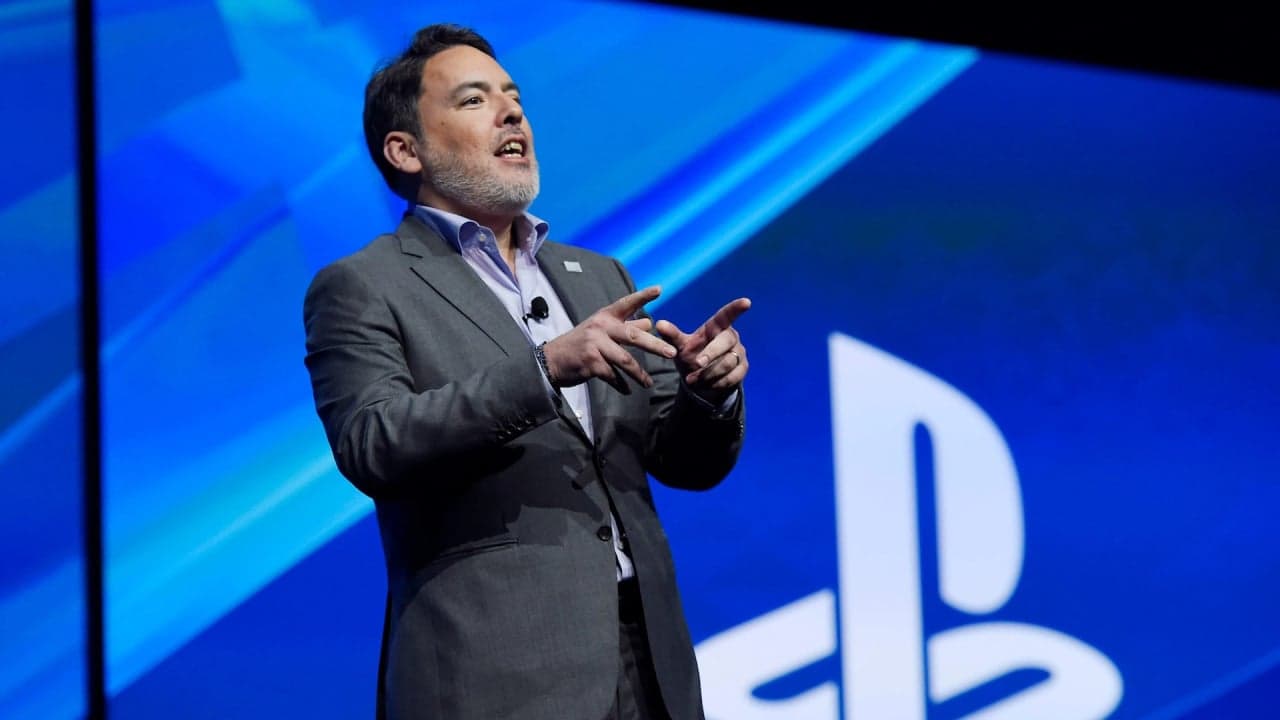
Shawn Layden (ex-PlayStation): "Failing to preserve games is criminal"
The former head of PlayStation Worldwide Studios warns of two troubling trends: consolidation that smothers creativity, and the industry's neglect of its own heritage. Strong words from an insider.
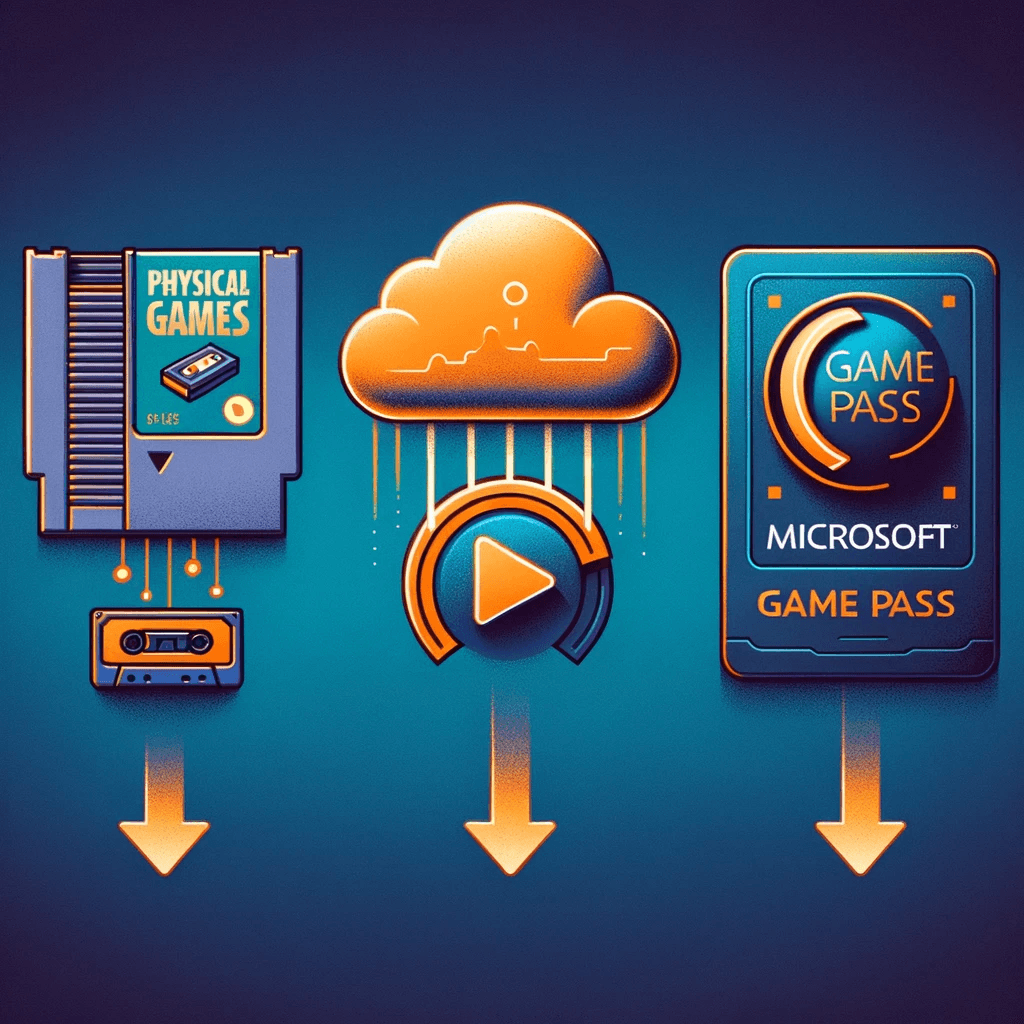
Physical, digital, Game Pass: what do you really keep?
A physical copy, a digital download purchase or a Game Pass-style subscription: three ways to access games, three very different levels of rights when it comes to ownership, resale and preservation. The comparison.

Preserving digital games: a challenge for rights and heritage
When a game depends on nothing but a server, it can disappear overnight. The shift to all-digital threatens both players' rights and the memory of an entire swathe of culture. An overview.
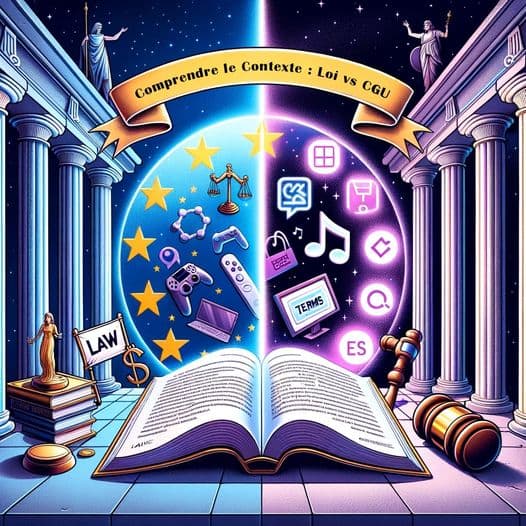
Law, Terms of Service, commercial practices: which one really prevails?
Can terms of service deprive you of a right the law grants you? No. A short guide to the hierarchy of norms applied to video games, to understand why "it is written in the contract" is never enough.
Your consumer rights when it comes to dematerialised games
Withdrawal, conformity, unfair terms, personal data: European law protects you more than you think, even for a digital game. An overview of the texts that really matter.

Proposal: a fair resale of digital games
Since current law refuses the resale of digital goods, let us change the law. Here is a proposed framework, inspired by European consumer law, to establish a resale right balanced between players and publishers.
Retrogaming: a passion across the ages
Nostalgia, collecting, living preservation: retrogaming is far more than a return to the games of yesteryear. It is a way of keeping alive a culture that the industry itself too often lets disappear.
The Paris Court of Appeal closes the door on resale of digital games
On 21 October 2022, the Paris Court of Appeal overturned the 2019 ruling: digital video games cannot be resold. A breakdown of the exhaustion-of-rights rule and the distinction between software and complex work.
At the European level: the texts that shape our digital rights
From the Digital Content Directive (2019/770) to the DSA and the forthcoming Digital Fairness Act, the European Union is building, text after text, the framework of our rights in the face of the digital world. An overview of what matters for players.

Protecting players in the digital age: first legislative avenues
How can we legislate to rebalance the relationship between players and publishers? An overview of the avenues, extended legal deposit, a right of resale, continuity guarantees, that could build on existing European law.
Video game dematerialisation: the issues at a glance
Ownership, resale, preservation, unfair terms, European action: a complete overview of the issues surrounding digital games, with links to our detailed analyses. The ideal starting point.
Welcome to PlayRite.eu: why this collective exists
PlayRite.eu, Players Advocating for Your Rights in Interactive Technology Entertainment. A collective of European gamers who shed light on, debate and act on players' rights in the digital age. Our mission, in a few words.